This feature originally appeared in the Spring 2026 issue of In Trinity, which focused on our key value of ‘Responsibility’.
Sustainability update 2026
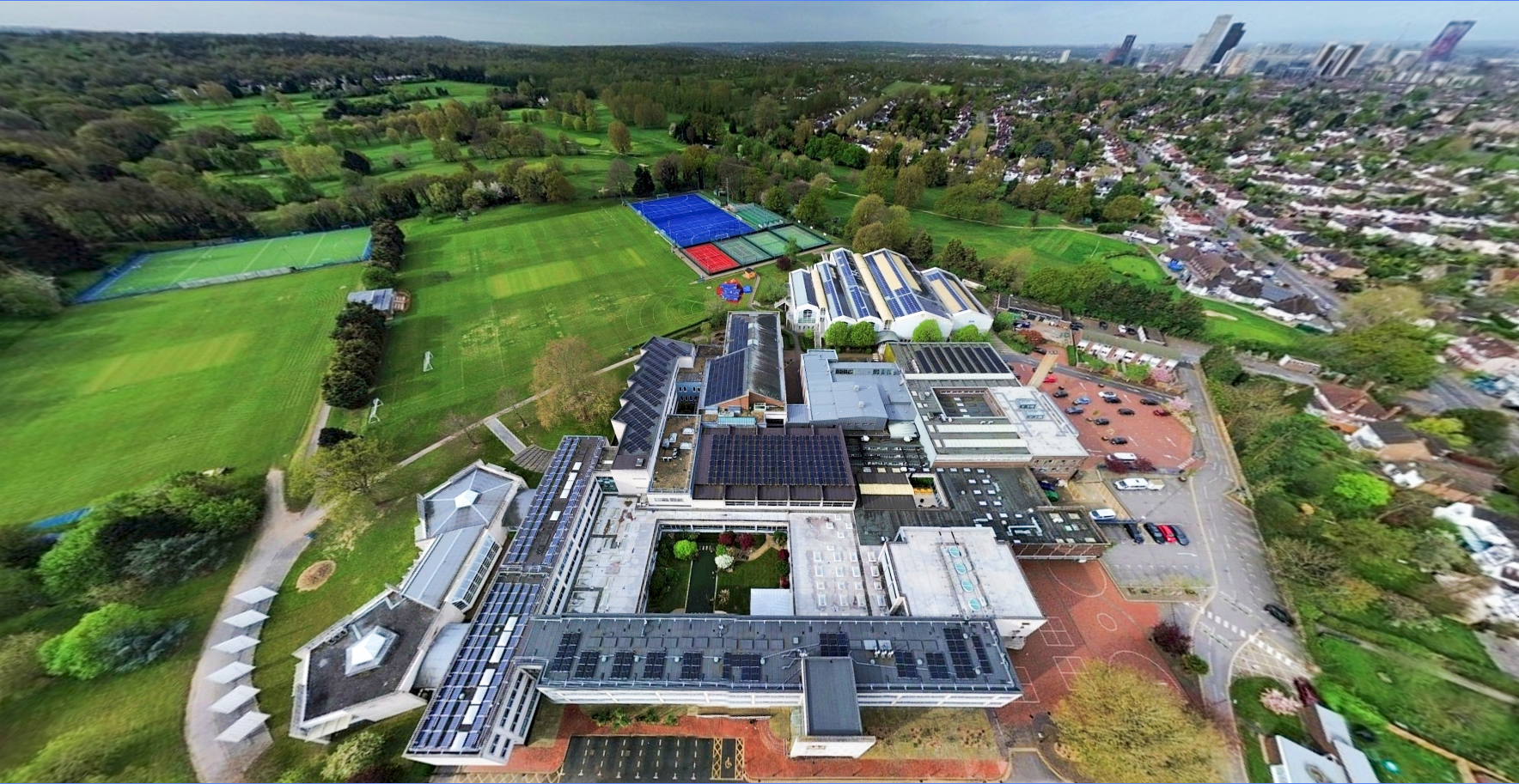
Set within an urban environment yet surrounded by 27 acres of green space, we are continually thinking about the impact our school has on the world around us. Caring for our environment is a responsibility we take seriously, and across the Trinity community we are working to reduce our carbon footprint and use resources more thoughtfully.
Our Estates team and students continue to develop initiatives that are already making a measurable difference. Here is a snapshot of the progress so far.
Student Green Council
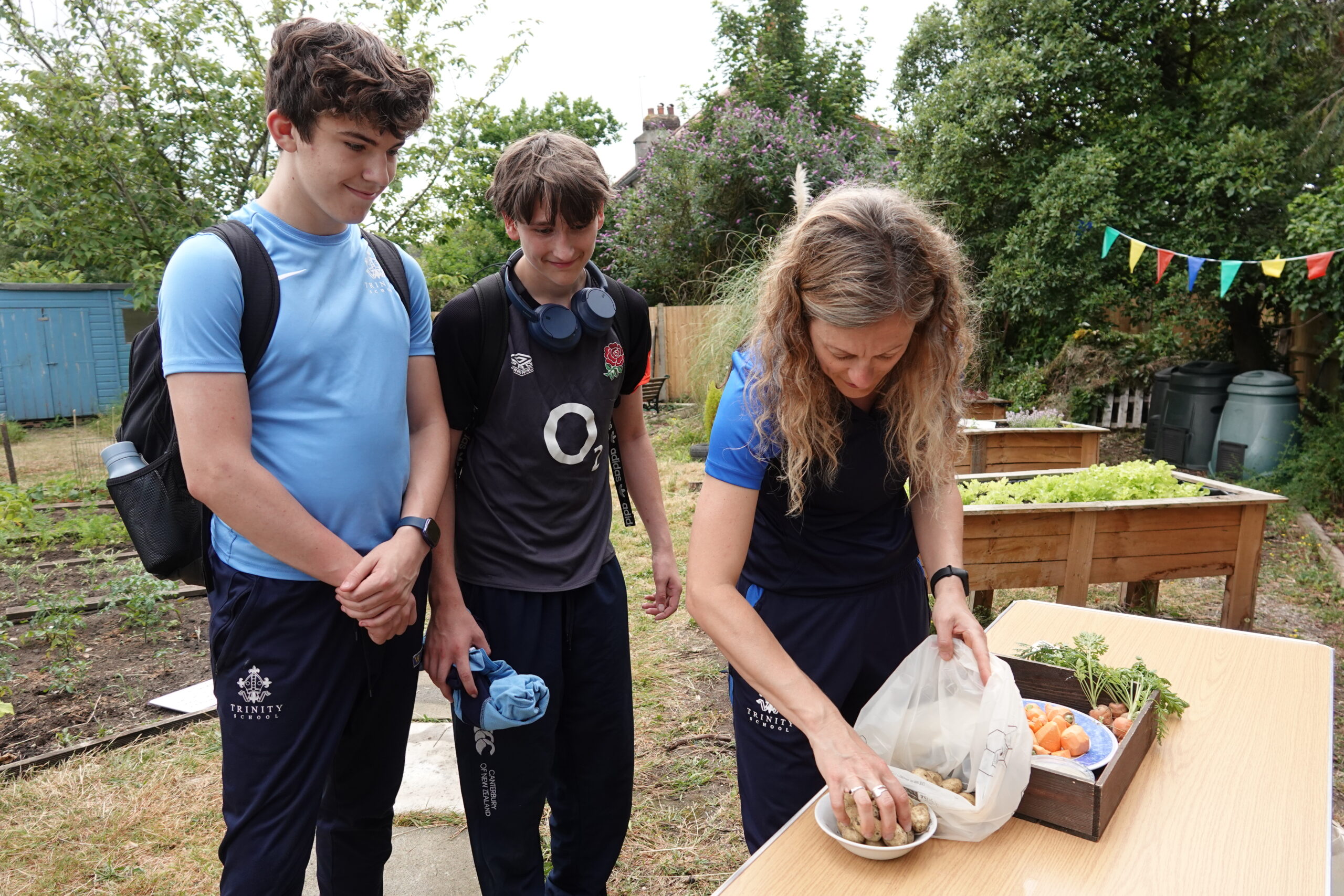
Trinity was awarded Eco Schools Green Flag in 2024, after student members of the Green Council completed an environmental review of the school. They looked at issues such as biodiversity, energy, global citizenship, healthy eating, transport, waste and water usage. Eco Schools also praised our engaging links to environmental issues across many areas of the curriculum making the learning ‘imaginative, practical and fun’. We also established the Trinity Community Garden that year, which has been thriving ever since.
Fast-forward to 2025, and a refresh of the Student Green Council was in order, led by passionate environmentalist and Head of Chinese Mrs Qian Wang.
It now has a stronger focus on student leadership and participation. Rather than appointing representatives from each form, students from all year groups were invited to apply, ensuring that those involved share a genuine interest in sustainability.
The response was enthusiastic. The council now includes 31 students, with a core committee of 13 students from Third to Sixth Form who will meet regularly and work alongside staff and the Senior Management Team to develop initiatives, organise events and help shape the school’s sustainability work.
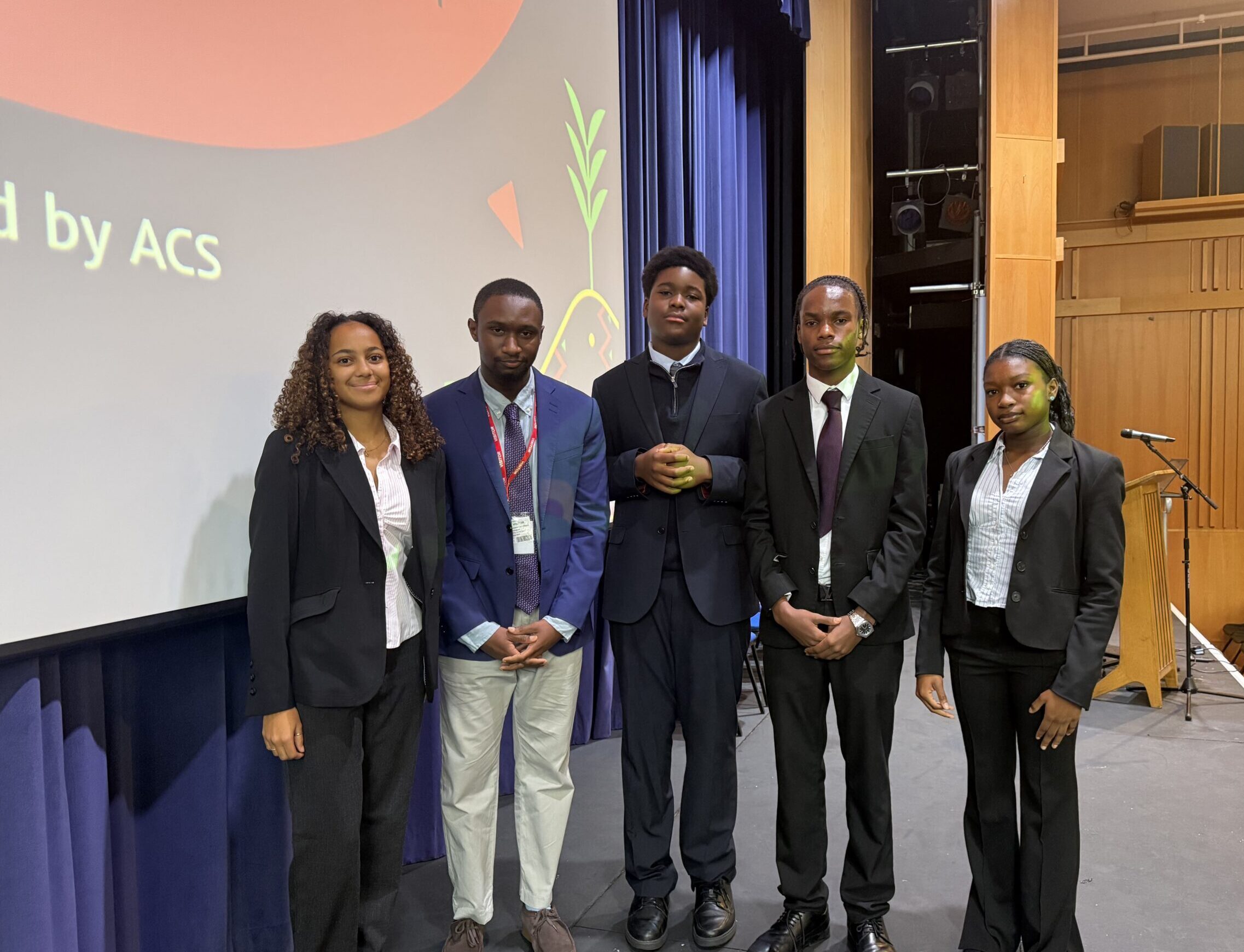
The council will also play an important role in linking sustainability more closely with learning across the school. Plans include inviting external speakers, developing super-curricular projects and exploring how environmental themes can be examined through different academic subjects. Recent events have already begun this work, including a talk from environmental researcher Dr Sailesh Rao, who spoke to Second Form students about global environmental challenges and praised their curiosity and thoughtful discussion.
For Mrs Wang, the Green Council is about empowering students to understand the issues facing their generation and to take meaningful action.
“Young people today are growing up in a world where environmental challenges are increasingly visible,” she says. “Schools have an important role in helping students develop the knowledge, confidence and sense of responsibility needed to respond. Through the Green Council, we hope to give students the opportunity not only to learn about sustainability, but also to lead, to collaborate and to help shape positive change within our school community.”
Scroll right to see more stories