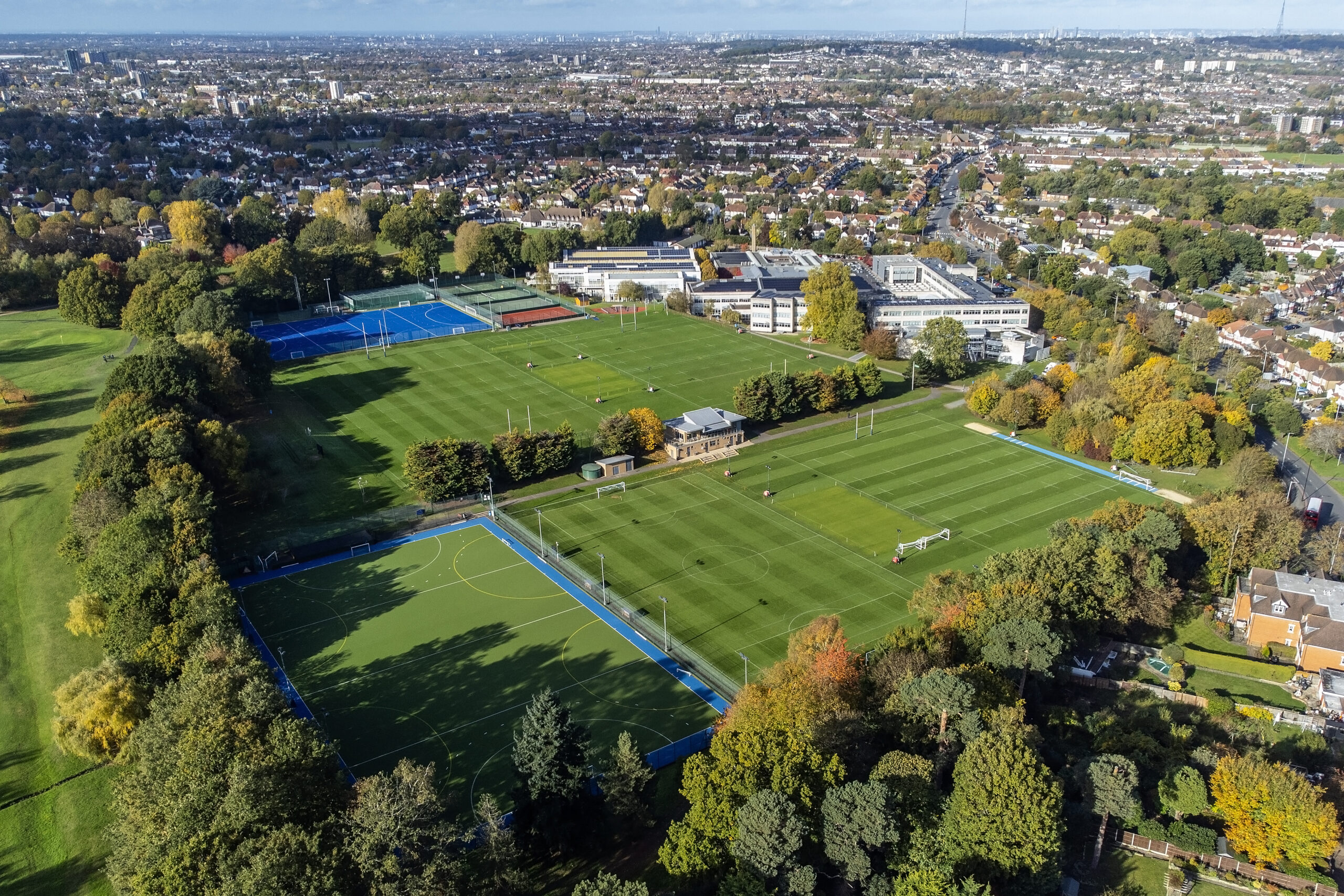

This feature originally appeared in the Spring 2025 issue of In Trinity, which focused on our key value of ‘Care’. Right now, the grounds team are busy preparing the pitches for the start of a new academic year, and new season of sport. This is the time when the grounds are looking their best, and we look forward to welcoming new and returning students to play on these fields.
Early each morning, before the first students arrive, the playing fields at Trinity School, Croydon are already alive with unseen preparations to ensure the pitches are safe and ready for play. It is a ritual of care, an art as much as a science, and at the heart of it is Jimmy Killick, Trinity’s Deputy Head Groundsman.
Jimmy began his career at Crystal Palace FC as an apprentice groundsman, learning firsthand the importance of pitch safety. As a Palace fan, it was a dream job, although it was a high-pressure environment.
“Palace were in the Premier League but in the relegation zone. A player blamed a divot for an injury and it made me realise how crucial my role was,” he recalls. That experience shaped his meticulous approach at Trinity School.
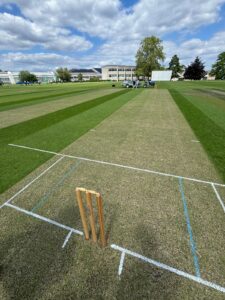
For the past decade, Jimmy has been part of the team responsible for maintaining the 27 acres of school grounds. Seasonal changes dictate the work. Rugby and football in autumn require slightly longer grass for safety, while cricket pitches in summer demand short, even surfaces which are more challenging to prepare and maintain, particularly given the unpredictable British weather.
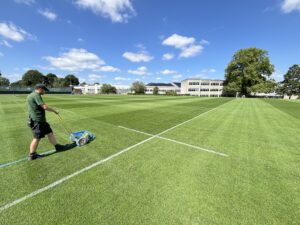
The sports pitches at Trinity experience high use throughout the year for competitive fixtures, lunchtimes and games lessons, and this can create risks.
“It is so much more than cutting grass,” Jimmy explains. “I work closely with the Heads of Sport, particularly Steve Richards, Head of Cricket, to plan for the maintenance of the pitches. I need to know about upcoming fixtures, but it is also important to get feedback after matches so we can change and improve. The quality of the pitches affects performance, ensures fair play and reduces injury risks.”
Although the summer season brings more work, Jimmy enjoys it the most. “It is a craft and I need to be so meticulous in the planning, which we start in February,” he says.
Pitch maintenance at Trinity School involves maths, biology and physics. From soil composition and drainage to grass-cutting heights, every detail affects gameplay and safety. Weather is a constant challenge, requiring the team to adapt daily.
“Fifteen years ago, we would get more snow. Now, March and April are wetter than ever, which makes preparing for the summer term more difficult,” Jimmy notes. “We rely on drainage systems, specialist equipment including aerators, and careful pitch planning to stay one step ahead. We always check the forecast on Met Office or Weather and Radar, as the BBC tends to give the worst-case scenario.”
Beyond maintaining the grounds, Jimmy drives the school minibus and coaches the U12s in goalkeeping, which allows him to get to know the students on and off the pitches.
“In what other job would you get the opportunity to coach while you are at work? The students see you in a different light, you are not just ‘someone who cuts the grass’,” Jimmy says.
“So many of these students play for academies and clubs and they need the right conditions to develop their skills. I am passionate about sport, and it is rewarding seeing them benefit from our hard work. It is motivating. I do not want to let the side down.
“I love my job. I love seeing the grounds when they are looking their best, although admittedly that tends to be just before the students come back in September. More than anything, I love being part of a team and helping young athletes to develop and thrive.”
Scroll right to see more stories