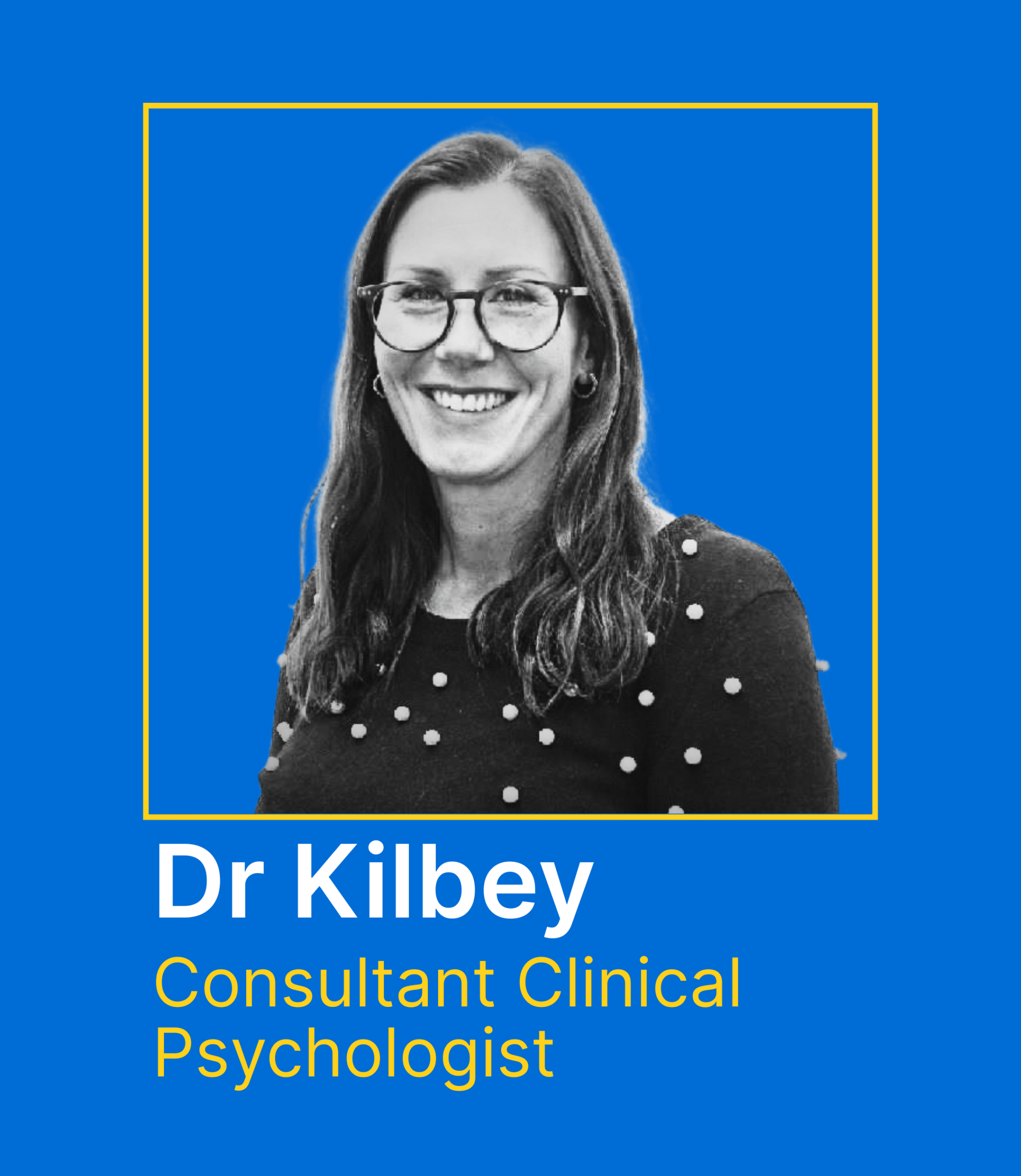
I was first introduced to Psychology during my A Levels, through completing A Level PE. It was an instant connection and the most engaged I had ever felt in any subject. I knew straight away that I needed to know more. However, I had a strong background in sport (something that not many people know about me), so I went to complete a joint honours BSc in Psychology and Sports Science at University of Birmingham.
The Undergraduate Psychology Department at Birmingham was next door to the Clinical Psychology Training Programme and as soon as I learnt about what Clinical Psychology was, I knew that was the career path for me. So, I abandoned my sporting roots (and the cold early morning sports pitches) and moved towards my love of psychology.
The decision to specialise in children was an obvious choice for me and again connects back to my sporting roots. As a competitive swimmer, I was heavily involved in my club through teaching and mentoring younger swimmers. I thoroughly enjoyed working with young people and continued this throughout my university days and beyond, working in roles such a sports coach, learning mentors and day care leader. After my degree I completed an MSc in Child Development and was able to tailor my Clinical Training to have half of my placements in services for children and young people. Once I qualified, I moved on to working in Child and Adolescent Mental Health Services (CAMHS) and it’s been a privilege to have spent the rest of my career working with children and families.
There are many, so that’s a really tough question, but there are some young people whose perseverance and determination will always stay with me. I am also very proud of having developed the Adult Autism and ADHD pathway in my NHS trust and building the team from a single person service to a team of 17 people.
This question is fiercely debated in the professional community and there are many theories, including that we now have a better understanding of SEND and better detection processes. It is also possible that prevalence rates are increasing, which some suggest are linked to genetic and environmental factors.
My advice to parents who are navigating diagnostic pathways is to liaise with school as much as possible. It might feel like I have a vested interest in that answer, but there are several reasons why this is now essential. Most significantly, the diagnostic criteria for many SEND will require corroborating information from school in order to confirm a diagnosis, so the involvement in school is a key part of any assessment process (NB so please be wary of any service that is offering assessments without meaningful engagement with your child’s school). Next, all the NHS services we have contact with require school to make a referral for diagnostic assessments, not GPs. If a GP does refer, the service will immediately send screening forms to school to complete to determine whether an appointment will be offered. And, very importantly, schools are very knowledgeable about SEND and can offer lots of support, advice and signposting, to both parents and students to ensure that as much assistance is in place as possible, especially if the assessment process is going to be lengthy.
Well, that is quite a definitive statement and not one I think I’m brave enough to debate with most teenagers. But the evidence does show that a high level of individual screen engagement can interfere with the many development tasks that young people’s brains and bodies need to be doing during their crucial adolescent years. For example, higher rates of individual screen use are associated with poorer physical health in young people because screen time involves less physical movement.
As with all things teenage, it’s about striking a balance. I would encourage parents to focus less on the screen use/smartphone use and more on the other things young people are doing. A very high daily screen use means that there is less time for them to be doing other things such as sports, hobbies, socialising, exploring the world…even homework?
1. What’s your go-to Friday night meal? Anything quick and easy – I’m pretty tired by the time it gets to Friday
2. What’s your all-time favourite holiday? Anywhere hot with a sandy beach and not many people
3. If you had to pick between Freud, Jung, and Skinner, who would you choose? Whilst I have a healthy respect for the teachings of Freud, I’d definitely chose Skinner as I still rely on behavioural principles in my everyday work.
4. What would you be doing if you hadn’t become a clinical psychologist? Something sporty
5. Can you describe yourself in three words? Energetic, inquisitive (nosey), chatty
Scroll right to see more stories