Trinity was delighted to welcome back former student and 1st XI Football Captain Taisei as a special guest at Economics and Business Society.
Taisei left the school last year after achieving excellent A Level results in Chemistry (A), Economics (A*) and Maths (A) and is taking a year out to pursue a fantastic opportunity to play football for Málaga CF, for which he is living independently in Spain. He is currently applying to study Economics at MIT in Boston as a student‑athlete, aiming to combine top‑level academics with competing for MIT’s varsity football squad.

Taisei returned to Economics and Business Society to speak to Sixth Formers on the topic: “Why is housing becoming increasingly unaffordable for young people?”
He guided students through a clear and rigorous analysis of the UK housing crisis, beginning with the central question: ‘What does “unaffordable” really mean?’ He discussed how affordability is typically assessed by comparing household income to house prices, and highlighted limiting factors such as high interest rates, longer mortgage terms, and rising taxes and insurance costs.
Taisei also explored why demand for housing has risen so sharply, pointing to factors including urbanisation and the desire to live in major cities; investors competing directly with first‑time buyers; persistent income inequality; and a long period of falling interest rates, which increased borrowing power. He then examined why housing supply has failed to keep pace, including restrictive land‑use and zoning laws; construction industry capacity limits; delays caused by local opposition, including NIMBYism; green belt restrictions; and the impact of interest rates on building projects. While demand has surged, supply has increased only marginally, pushing house prices up far faster than incomes.
Taisei gave a detailed example of policy unintended consequences. Help to Buy, he explained, was designed to support first‑time buyers by easing deposit constraints. However, because the scheme boosted demand without increasing supply, developers raised prices instead of building more homes. In effect, much of the benefit was absorbed into higher house prices.
Taisei also addressed the current sense of financial nihilism among young people, driven by high living costs, stagnant wages, and widening inequality. He shared examples of more successful models, such as Vienna’s extensive social housing system, which is often praised internationally.
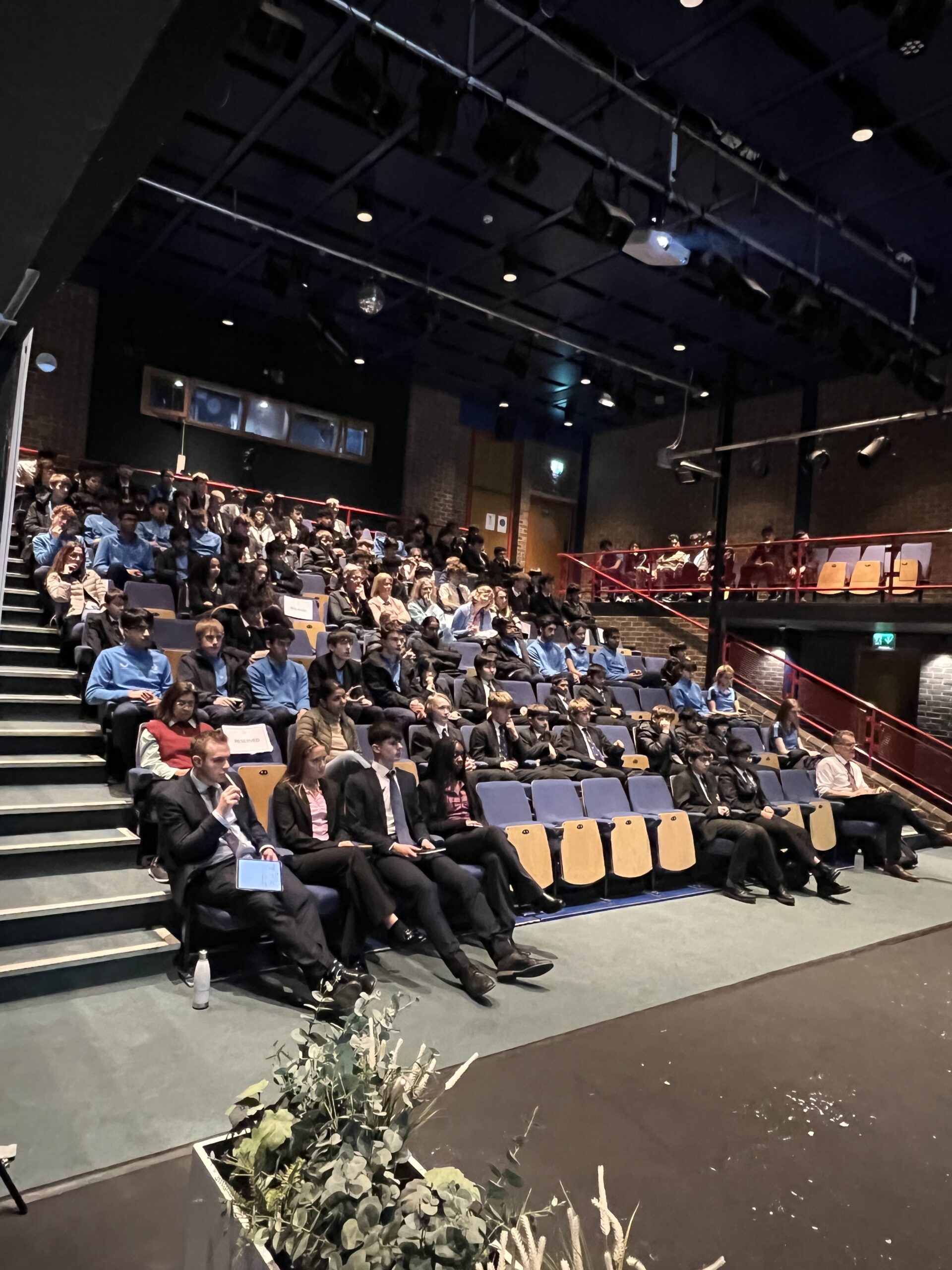
The session was well-attended by not only Economics and Business students, but by other Sixth Formers with a strong interest in public policy. It prompted a lively Q&A, with students posing a range of challenging questions about the UK housing market, economic fairness, and the feasibility of large‑scale government intervention.
Tristan (U6th) said, “Taisei’s talk highlighted many issues with trying to solve the housing issue. For example, green belt land preventing new builds and limiting supply and driving up prices. It made me realise getting a house which I can afford may take much longer than expected after university, so finding ways to build up my finances is vital before I reach this part of my life.”
Seb (U6th) reflected, “I think the government could largely liberalise planning regulations such as through reduction of the prevalence of zoning laws, to build more unit dense housing, and expand the land available in grey belt sites to provide more space for housing. This would remove the large restrictions on the construction of new housing, dramatically reducing price as more houses become available, bidding down the price, enabling young people to move onto the housing ladder and lowering the cost of living. One of the things I was surprised about from the talk was the prevalence of pensioners in causing issues within the housing market leading to large numbers of homes with many more rooms then number of inhabitants being held by pensioners instead of becoming available for purchase.”
We are extremely grateful to Taisei for returning to Trinity and delivering such a timely and thought‑provoking talk. His insights into economics, public policy, and the realities facing young people today gave everyone in the room plenty to think about.
Scroll right to see more stories