At Trinity, curiosity drives musical growth. Head of Rock, Pop and Jazz, Joe Pettitt, encourages students to explore broadly. “It’s important for jazz musicians to listen widely. What we play is largely improvised, an aural tradition. The more you listen, the more you understand – sometimes it’s almost better than practice. People often have a fixed idea of what jazz is, based on that one record their uncle played them, but it’s such a wide thing. I’m keen that students find their own way into it.
“There’s nothing better for me walking through the department and hearing some kids get together to play jazz. There’s a freedom in the music that allows them to jam and just try things out.”
Every Friday, Joe runs a Jazz Breakfast Society. “I try to play an eclectic mix of subgenres and decades of jazz in the hope that one thing flicks the switch for someone. Then they go down that rabbit hole, discovering albums and artists that shape their taste. Sometimes I’ll bring ideas, sometimes the students bring tracks they’ve found and want to share.”
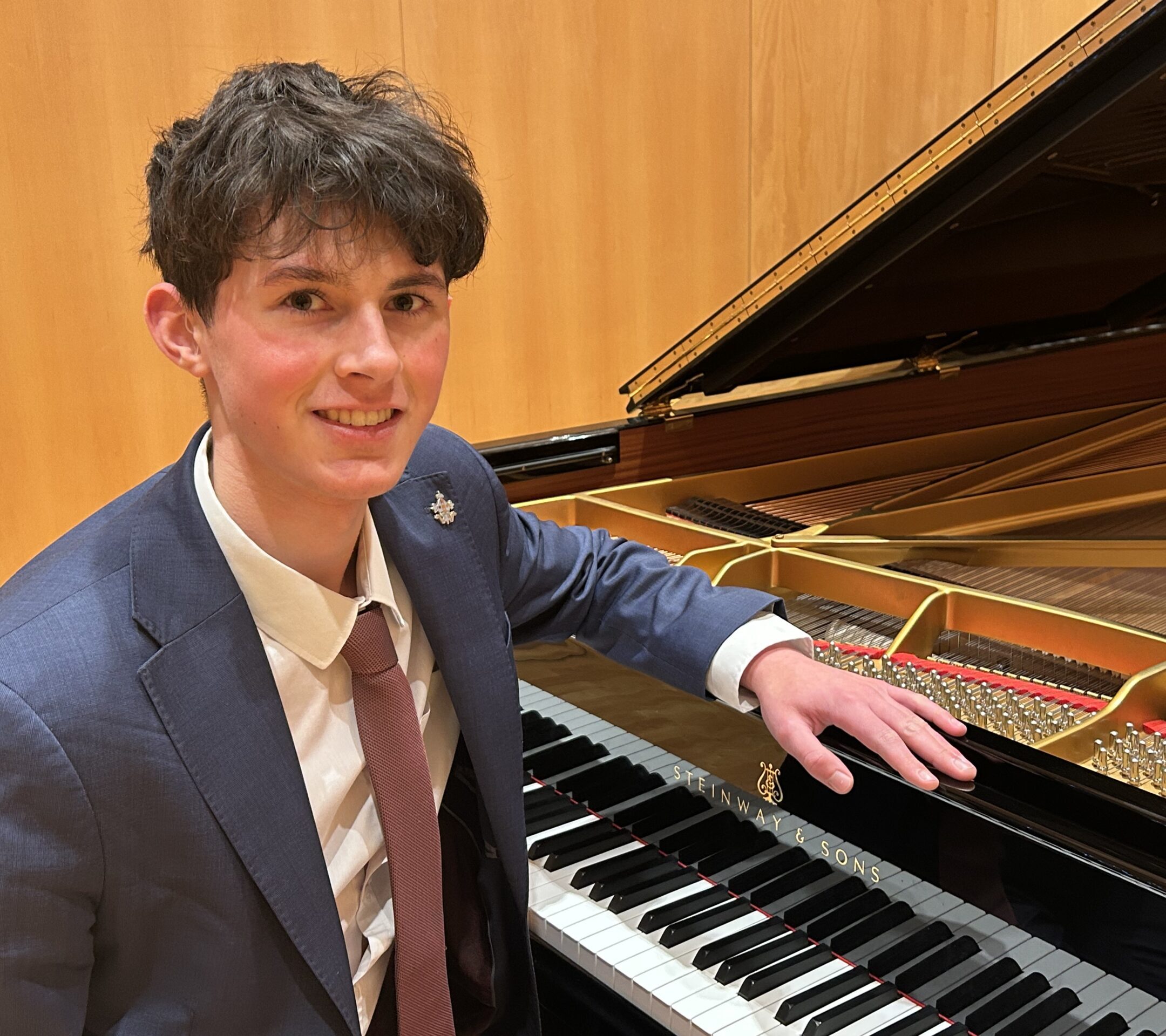
Richard Evans, Head of Piano, complements this with a focus on self-directed learning. “The best place for music to come from is you. You have to explore, discover and be curious about the sounds you create, and how they communicate. Some of the most outstanding musicians have been self-taught – curiosity is what drives that. The more curious you are, the faster you progress.
“There’s a misconception that classical piano is only taught and jazz is worked out; practising is more important than a lesson. It’s that protected space to experiment and develop your own voice. And piano isn’t only solitary – in the Steinway Suite, our pianists often play to each other, support each other’s goals and grow together.
“At Trinity, we mentor students rather than just teach them. Curiosity guides them towards their own version of success.”
Ben, Lower Sixth pianist and trombonist, said, “The Music Department has really ignited my curiosity and passion for music. Jazz Breakfast Society has opened my eyes to how diverse jazz really is, and it’s made me want to explore more in my listening and playing. Performing with Big Band 1 and going on tours to places like Venice and Prague has shown me both the pressures and the excitement of being a musician. As someone who wants to go into music professionally, Trinity has given me amazing experiences that prepare me for that future.”
Upper Sixth student Lillian said, “Before joining Trinity, I attended Trinity Proms and was captivated by the Big Band. I grew up playing classical music, but that performance sparked my interest in jazz. Since then, I’ve explored new genres through Big Band, Symphonic Wind Orchestra and Clarinet Quartet.
“The Music Department offers a welcoming, safe space to connect with others and grow without pressure. With specialist teachers, world-class facilities and opportunities to collaborate with like-minded musicians, my development has accelerated in ways I hadn’t imagined. A highlight was performing with the professional big band LPSO and Mica Paris at Fairfield Halls – an experience that challenged me technically and deepened my love for music as collaboration. Trinity hasn’t just broadened my horizons, it’s made me a more versatile and confident musician.”
For Liz Regan, Director of Music, it’s all about every student finding their way into music: “We want every student to discover a passion for music. If they’ve never played before, we offer free taster lessons, and everyone is encouraged to sing – which could even lead to performing with the Trinity Boys Choir at Glyndebourne or the Royal Albert Hall. Most of all, we want students to feel at home in the department, with opportunities across classical, rock, pop and jazz.”
Scroll right to see more stories