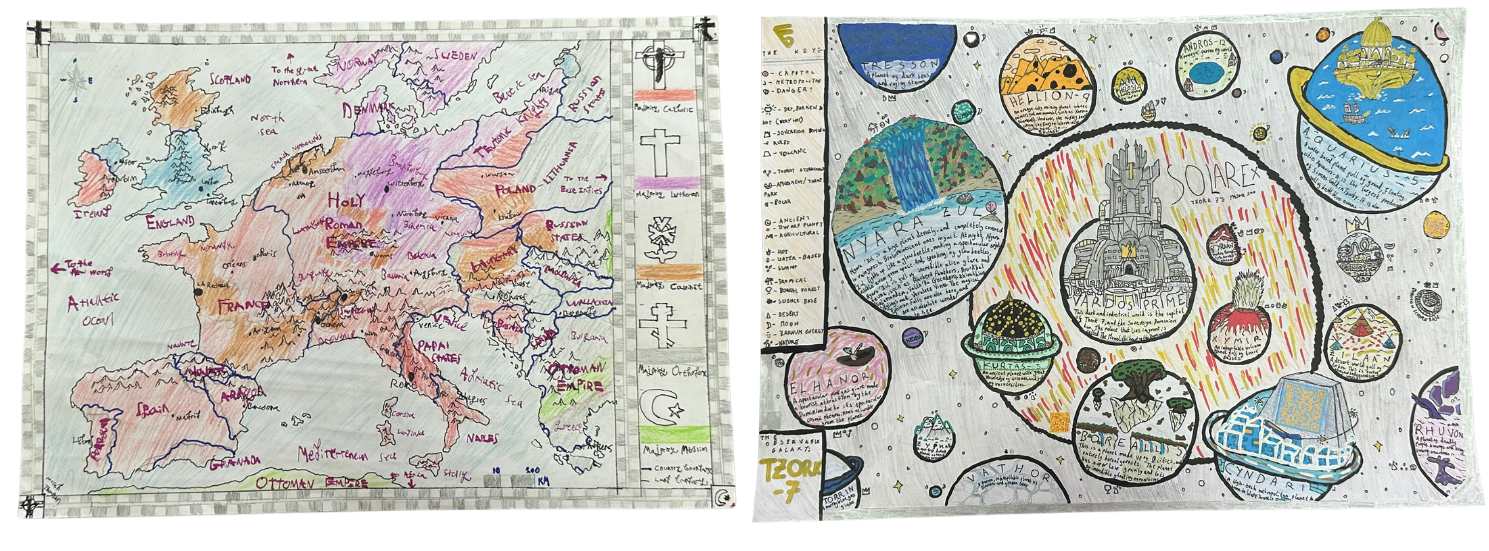

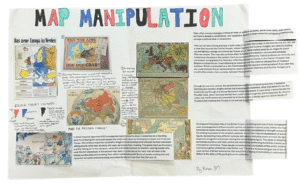
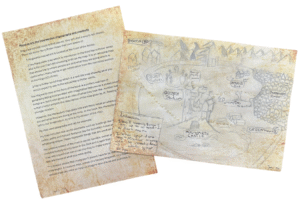
Our recent Power of Maps project was a huge success, engaging Trinity School’s Junior to Third Year Academic Scholars in a creative and thought-provoking exploration of Geography. Designed to show that maps are far more than just navigation tools, the project encouraged students to explore how maps can tell stories, shape opinions, and even influence global events.
Through six creative themes – including maps in history, digital mapping, future technologies, and maps as art – the project gave students a wide variety of ways to get involved. Each student had the chance to investigate real-world examples, work with data, and even design their own maps based on everything from local environmental issues to imaginative landscapes.
What really stood out was how engaged and imaginative the students became. Whether it was drawing a memory map of their neighbourhood, exploring map bias in different world projections, or tracking environmental changes, students approached their work with curiosity and ownership. For many, it was the first time they had considered maps as anything more than digital guides or static images in an atlas.
The project sparked some great discussions:
These kinds of questions showed how students were beginning to think critically about the information they’re shown and how it can influence them.
A great deal of credit goes to the inspiring leadership of the staff member who guided the project. Their passion, creativity and skilful balance of structure and freedom enabled students to thrive intellectually while using their imaginations to full effect.
In the end, The Power of Maps proved that Geography can be both academic and deeply creative. It helped build students’ skills in research, analysis and communication, while also showing them how maps connect to art, politics, technology and personal experience.
It was a project that made Geography feel exciting, relevant, and full of possibilities – and it’s something we’d love to run again in future.
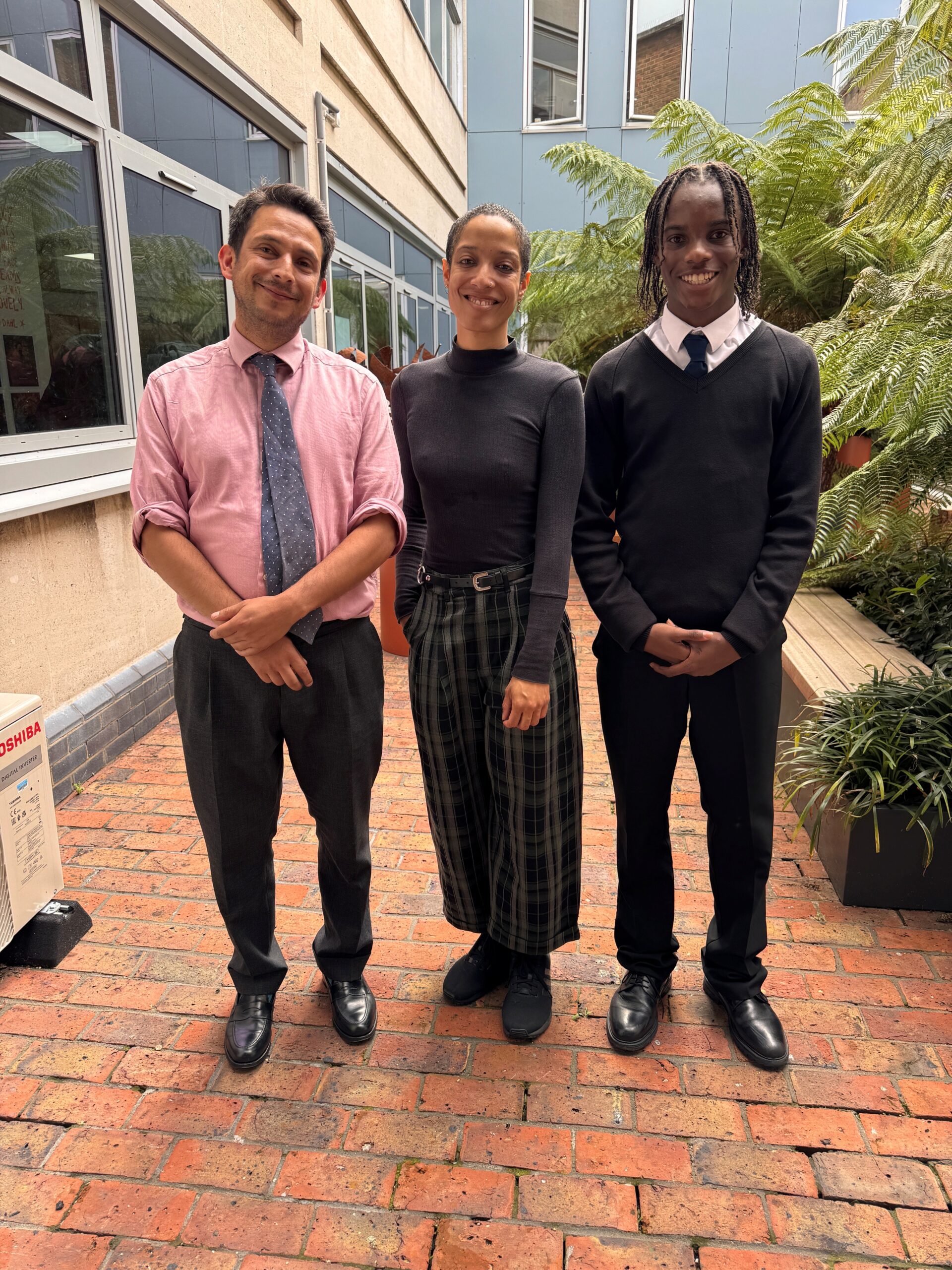
Congratulations to the winning scholars in each year group!
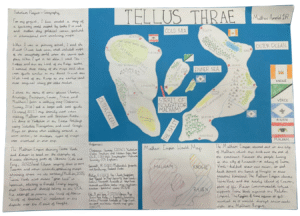
Junior
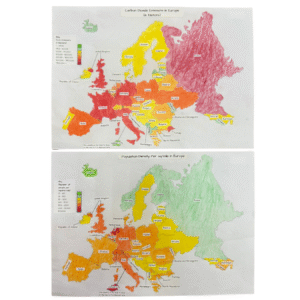
First Year
Second
Third
To read more about Trinity’s Academic Scholarship project, click here.
Scroll right to see more stories